Sub-Total: $0.00



Waking up with a sudden charley horse or dealing with a back spasm mid-day raises the same question: what’s the best OTC muscle relaxer that actually works?
The short answer: true prescription muscle relaxers aren’t available over the counter in the U.S. Instead, the most effective OTC options focus on pain relief, inflammation control, or fast-acting topical solutions — depending on the type of muscle issue you’re dealing with.
This guide breaks down the best oral options, targeted topicals, natural alternatives, and a simple framework to help you choose the right solution fast.
Why You Can’t Buy a True OTC Muscle Relaxer (And What to Use Instead)
In the U.S., skeletal muscle relaxers like cyclobenzaprine act on the brain and spinal cord — which is why they require a prescription due to risks like sedation and respiratory depression.
Over-the-counter options work differently: they target inflammation, surface pain, or localized muscle tension, rather than stopping the contraction directly.
Before you pick a product, identify your pain type — it determines which category works:
- Muscle cramps: Sudden, intense tightening (charley horses), often linked to dehydration or electrolyte imbalance.
- Muscle spasms: Ongoing tightening after strain, injury, or poor posture.
If your main issue is cramps — like calf knots or nighttime leg cramps — targeted cramp-specific topicals can help address the contraction directly instead of just masking pain.
Avoid self-treatment and seek medical care if you experience weakness, numbness, fever, or changes in bowel or bladder control.

Oral OTC Options: What They Help (and What They Don’t)
Oral pain relievers are the most common starting point, but they only manage pain and inflammation — not the muscle contraction itself. Choosing the right one depends on your health profile and the cause of your pain:
- NSAIDs (Ibuprofen, Naproxen): Best for inflammation and muscle strain. Ibuprofen works within 1–2 hours; naproxen lasts longer (up to 12 hours).
- Acetaminophen: Better if you can’t take NSAIDs. Helps with pain but does not reduce inflammation.
Avoid combining multiple NSAIDs or mixing them with alcohol — both increase the risk of stomach bleeding and liver stress.
If your pain is localized, a topical option may be a safer and more targeted alternative.
Matching Your Pain to the Right Topical (Fastest Relief Options)
Topical options vary widely in how fast they work and what they actually do. Matching the active ingredient to your pain pattern matters:
- Topical NSAIDs (Diclofenac): Best for deeper inflammation. Works over several days — not instant.
- Lidocaine (numbing): Best for sharp or nerve-like pain. Works within minutes.
- Menthol / Capsaicin: Surface-level relief. Menthol cools instantly; capsaicin builds effect over time.
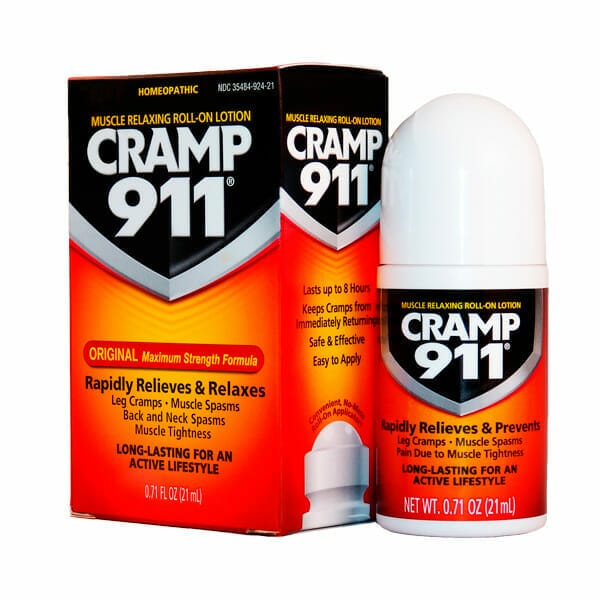 For sudden cramps, choose a cramp-specific topical designed to relax the muscle, not just numb it.
Never apply these products to broken skin or combine them with heating pads — heat can increase absorption to unsafe levels.
Natural Options: When Magnesium Actually Helps
Natural options aren’t instant fixes, but they excel as preventive tools that lower baseline muscle tension over time. Magnesium is the standout — but form matters:
- Magnesium glycinate or malate: High absorption, muscle support, minimal digestive upset. Best for daily supplementation.
- Magnesium citrate: Effective but may cause loose stools at higher doses.
Magnesium works best as a preventive strategy, not an instant fix. It can reduce cramp frequency over time but won’t stop an active spasm.

Daily Habits That Actually Reduce Muscle Spasms
- Hydration: Maintain electrolyte balance consistently.
- Sleep position: Keep feet neutral to avoid calf tightening overnight.
- Stretching: Stretch calves and hamstrings before bed to reduce nighttime cramps.
For menstrual cramps, treatment differs — targeted topicals and anti-inflammatory options often perform better than general muscle pain solutions.
Best OTC Muscle Relaxer Options by Symptom (Pharmacist Picks)
Standing in the pharmacy aisle with a back that won’t stop seizing? Match the remedy to your specific symptom pattern:
- Acute strain + inflammation: Use ibuprofen with diclofenac gel for combined relief.
- Focal pain points: Lidocaine patches for fast, localized numbing.
- Sudden cramps: Hydration + a fast-acting cramp-specific topical (like roll-ons designed for immediate relief).
- Nighttime cramps: Daily magnesium + a bedside topical for instant use.
Avoid guaifenesin for spasms — evidence is weak. Also avoid importing prescription muscle relaxers from outside the U.S. due to safety risks.
For fast, portable relief, topical roll-ons designed specifically for cramps can provide near-immediate results, making them one of the most practical OTC options available here.
How to Choose the Best OTC Muscle Relaxer for Your Pain
The best OTC muscle relaxer is the one that matches the specific cause of your discomfort. Oral NSAIDs manage the inflammation of a strain but can’t stop an active locking cramp in real time. Topical anesthetics numb the surface without addressing underlying tension. Effective relief bridges both.
Use this decision guide:
- Inflammation or strains: Oral NSAID if safe for you, plus topical diclofenac for deep tissue support.
- Fast focal relief: Lidocaine patch or roll-on to the hot spot.
- Active muscle cramp: Hydration plus a magnesium-based topical for the fastest on-the-spot relaxation.
- Recurring nighttime cramps: Daily magnesium supplements plus a bedside roll-on for immediate use when it hits.
Always read labels to avoid stacking sedating products. If you experience numbness, severe weakness, or red-flag symptoms, see a clinician.
Shop fast-acting topical relief ▶Frequently Asked Questions
What is the strongest OTC muscle relaxer?
There’s no true skeletal muscle relaxer available over the counter in the U.S. The strongest non-prescription options for muscle pain are oral NSAIDs like ibuprofen or naproxen, which reduce the inflammation causing the tension. They’re the closest substitute most people have access to without a prescription.
What is the best OTC muscle relaxer for cramps?
For sudden cramps, the best options are topical magnesium-based solutions and immediate hydration with electrolytes. Oral pain relievers target inflammation — they rarely stop an active charley horse in progress. Pharmacist-developed topicals like Cramp 911 are built to address the contraction directly for faster on-the-spot results.
What is the most fast-acting OTC muscle relaxer?
Topical lidocaine or specialized cramp roll-ons are the fastest over-the-counter options — they bypass the digestive system entirely. Lidocaine provides numbing within minutes. For active spasms, keep a topical ready rather than waiting an hour for oral pills to absorb.
Is there a natural OTC muscle relaxer that actually works?
Magnesium is the most effective natural muscle relaxer — specifically the glycinate or malate forms, which absorb well without GI side effects. These work best as a daily preventive to lower overall muscle tension and reduce spasm frequency. They’re not built to shut off an acute cramp instantly.
Can I combine an OTC pain reliever with a topical cream or patch?
Yes — as long as they don’t contain the same active ingredient. Taking an oral NSAID while using a topical lidocaine patch is generally fine. But avoid combining oral ibuprofen with topical diclofenac gel — that doubles up on the same drug class. Always check labels and skip heating pads over medicated topicals.
Do muscle relaxers help with period cramps?
They can. Ibuprofen is the standard go-to for menstrual pain since it reduces uterine contraction intensity. Some people find targeted topical muscle relaxers provide additional relief for lower abdominal spasms. For detailed guidance on muscle relaxers and menstrual cramps, explore options built specifically for period pain.
Are homeopathic muscle relaxers effective?
The evidence for homeopathic remedies in muscle relaxation is limited compared to magnesium or topical menthol. That said, some homeopathic formulations that include arnica or magnesium-based ingredients show anecdotal benefit for mild tension. They’re low-risk options worth considering alongside a broader prevention plan.
The Bottom Line on OTC Muscle Relaxers
The best OTC muscle relaxer depends entirely on what’s causing your pain. Oral NSAIDs handle inflammation from strains and overuse. Topical lidocaine numbs focal hot spots. Magnesium-based topicals and supplements address cramps and prevention. No single product does all three — knowing the difference saves you time, money, and a lot of unnecessary discomfort.
Get fast-acting topical cramp relief ▶