Sub-Total: $0.00



Whether you’re dealing with muscle cramps during a workout or waking up with painful leg cramps at night, you’ve probably wondered whether dehydration is to blame. While drinking more water is often the first recommendation, the relationship between hydration and muscle cramps is more complicated than it seems. In many cases, factors such as electrolyte imbalances, muscle fatigue, and training intensity can play just as important a role.
Research shows that dehydration can contribute to muscle cramps under certain conditions, particularly when fluid loss is combined with electrolyte depletion. However, many exercise-associated muscle cramps are linked to neuromuscular fatigue rather than dehydration alone. Understanding the difference can help you choose the most effective prevention and relief strategies.
Related Article: Do Electrolytes Help With Muscle Cramps? What Science Says
To reduce cramping and find faster relief, it helps to understand what may be causing the spasm in the first place. The right solution often depends on whether the trigger is dehydration, fatigue, electrolyte loss, or another underlying factor.

Can Dehydration Cause Muscle Cramps? The Science Behind Spasms
Can dehydration cause muscle cramps? Yes, dehydration can contribute to muscle cramps, especially when significant fluid loss is accompanied by sodium depletion. However, dehydration is not the sole cause of most muscle cramps. Research suggests that neuromuscular fatigue, electrolyte imbalances, training intensity, and recovery habits can also influence how often cramps occur.
Exercise-associated muscle cramps are often linked to overworked muscles and nerve signaling disruptions, while nighttime leg cramps may be related to different triggers altogether. Because several factors can contribute to cramping, identifying the underlying cause is often more effective than simply increasing water intake.
Related Article: Best Cream for Muscle Cramps: Top Picks for Fast Relief
How to Stay Hydrated During Workouts to Prevent Cramps
During intense workouts, you can lose up to 1,500 mg of sodium per liter of sweat, meaning water alone is not enough. Hydration prevents muscle fatigue rather than instantly stopping active spasms, but this checklist lowers your risk:
- Before your workout: Begin exercise well hydrated. Pale yellow urine is often a practical hydration indicator.
- During activity: Replace fluids consistently and consider electrolyte-containing beverages during long or intense training sessions.
- After exercise: Rehydrate gradually and replenish electrolytes through food or beverages rich in sodium, potassium, magnesium, and calcium.
Athletes who sweat heavily may benefit from additional sodium replacement, especially during prolonged exercise. Potassium and magnesium also support normal muscle function, although no single nutrient can completely prevent muscle cramps. Individuals with kidney disease, heart conditions, or other medical concerns should consult a healthcare professional before making significant changes to electrolyte intake.
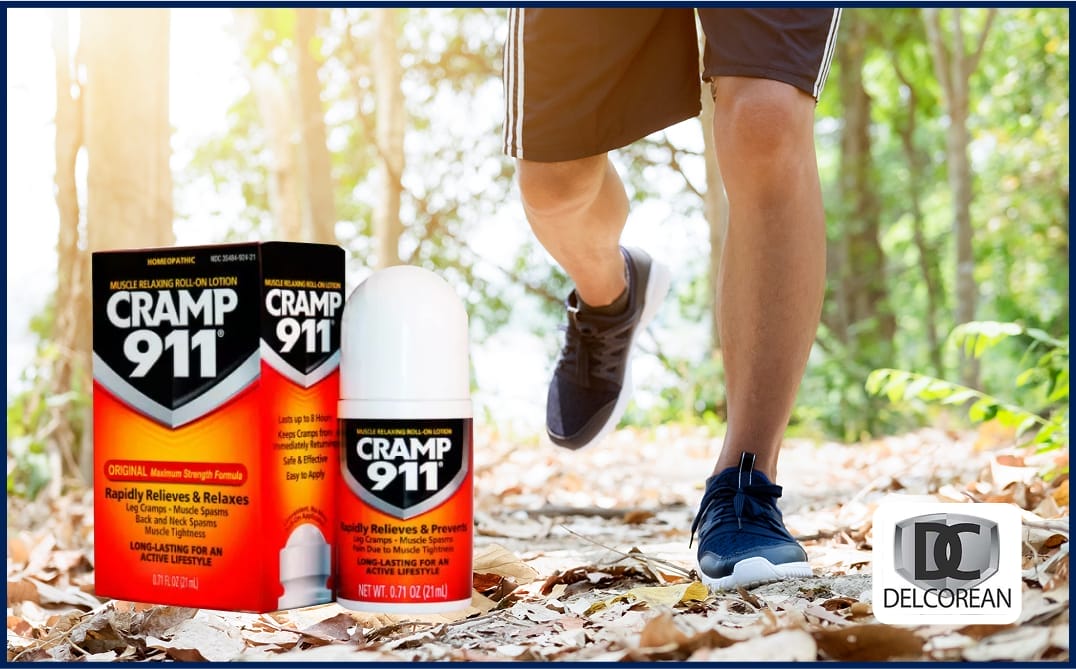
How to Stop a Muscle Cramp in the Moment
If a muscle cramp strikes suddenly, stop the activity and gently stretch the affected muscle. Walking, light movement, and massage may also help relax the area. Once the cramp subsides, focus on rehydration and recovery. If cramps occur frequently, become severe, or interfere with daily activities, consult a healthcare professional.
For athletes and active individuals, keeping a fast-acting cramp relief product available may provide additional support when symptoms occur.
Match the Fix to Your Cramp
Dehydration is rarely the sole cause of painful muscle spasms. To find lasting relief, match your solution to when and how your muscles seize up:
- Late in hard workouts: Prioritize pacing, hydration, and electrolyte replacement to reduce fatigue-related cramping.
- Suddenly during activity: Stop and stretch the affected muscle immediately. Once the cramp eases, address hydration and recovery needs.
- At night: Evaluate sleep position, activity levels, and overall recovery habits. Nighttime cramps often involve multiple contributing factors beyond hydration alone.
Simple Steps to Reduce Future Muscle Cramps
Stop guessing and start managing your cramps with two concrete steps:
- Log your triggers: Track when cramps occur, how long they last, your activity level, hydration habits, and environmental conditions.
- Test one change: Adjust one factor at a time so you can identify what provides meaningful improvement.
If muscle cramps regularly interrupt your workouts, sleep, or daily routine, having a targeted relief option available may help you manage symptoms more effectively. Explore Delcorean’s pharmacist-formulated cramp relief products to learn more.
Frequently Asked Questions
Can dehydration cause muscle cramps at night?
No, acute dehydration is rarely the primary cause of nocturnal leg cramps. While staying hydrated supports overall muscle health, nighttime cramps are typically triggered by nerve fatigue, sleeping positions, or prolonged sitting. If you regularly seize up in bed, addressing these structural and neurological factors is usually more effective than drinking water before sleep. Learn more about managing late-night spasms in our guide on leg cramps at night.
What is the difference between dehydration cramps and electrolyte imbalance cramps?
Dehydration cramps stem from a general loss of total body fluids, which shrinks the space around nerve endings and causes them to misfire.
Electrolyte imbalance cramps occur when specific minerals like sodium, potassium, or magnesium are depleted, disrupting the electrical signals that tell muscles to relax. For heavy sweaters, losing sodium is typically the primary trigger rather than just losing water.
Will drinking water stop a cramp immediately?
No, drinking water will not stop an active muscle cramp right away. It takes 15 to 60 minutes for your body to absorb fluids and distribute them to muscle tissues. For fast relief during an active spasm, stretch the muscle immediately or trigger a sensory nerve override with something sour. Rehydrating is a secondary step to prevent the cramp from returning.
Do energy drinks cause muscle cramps?
Yes, energy drinks can indirectly contribute to muscle cramping. The high caffeine content acts as a mild diuretic, speeding up fluid loss, while the high sugar concentration can upset your digestive tract and delay fluid absorption.
Many energy drinks also lack the sodium and potassium balance needed to replace what you lose during activity. Read our detailed breakdown of how energy drinks affect muscles for more.
What foods can trigger leg cramps?
Diets low in potassium, calcium, and magnesium are common culprits behind frequent muscle spasms. Consuming high amounts of alcohol, processed sugars, or rapidly shifting to a strict low-carb diet can deplete your body of necessary electrolytes.
Keeping your diet rich in whole foods and leafy greens helps maintain proper muscle function. Read our guide on foods that cause leg cramps for a full breakdown.
What is a fast, portable option to keep on hand for cramps?
Portable cramp relief strategies may include stretching, hydration support, electrolyte replacement, or topical relief products. The best option depends on the underlying cause of the cramp and the situation in which it occurs. Many athletes prefer keeping a convenient solution available during training or travel so they can respond quickly when symptoms appear.