Sub-Total: $0.00



Bananas can support long-term muscle health, but they usually do not stop an active muscle cramp quickly. Potassium from food takes time to digest and reach your muscles, which makes bananas more useful for prevention than immediate relief.
A painful calf cramp in the middle of the night can send you searching for quick relief fast. Many people immediately think about eating a banana because of its potassium content, but timing matters more than most people realize.
While bananas provide potassium that supports muscle function, they are not a fast solution once a cramp has already started. This guide explains the difference between exercise cramps and nighttime cramps, why digestion timing matters, and which strategies may help with both immediate relief and long-term prevention.
First, it helps to understand the two most common types of muscle cramps.
Are Your Muscle Cramps Happening in the Gym or in Bed?
Muscle cramps during exercise and cramps that happen during sleep often have different triggers. Understanding which type you experience can help you choose more effective prevention and relief strategies.
- Exercise-Associated Muscle Cramps (EAMCs): Usually linked to intense activity, muscle fatigue, dehydration, or training overload during workouts.
- Nocturnal Leg Cramps: Happen during rest or sleep and may be associated with circulation issues, age, medications, or prolonged inactivity.
If your cramps happen mostly at night, read our guide on leg cramps at night for prevention tips and possible causes linked to nocturnal cramping.
The biggest issue with bananas and cramp relief comes down to timing.
Do Bananas Work Fast Enough for Muscle Cramp Relief?
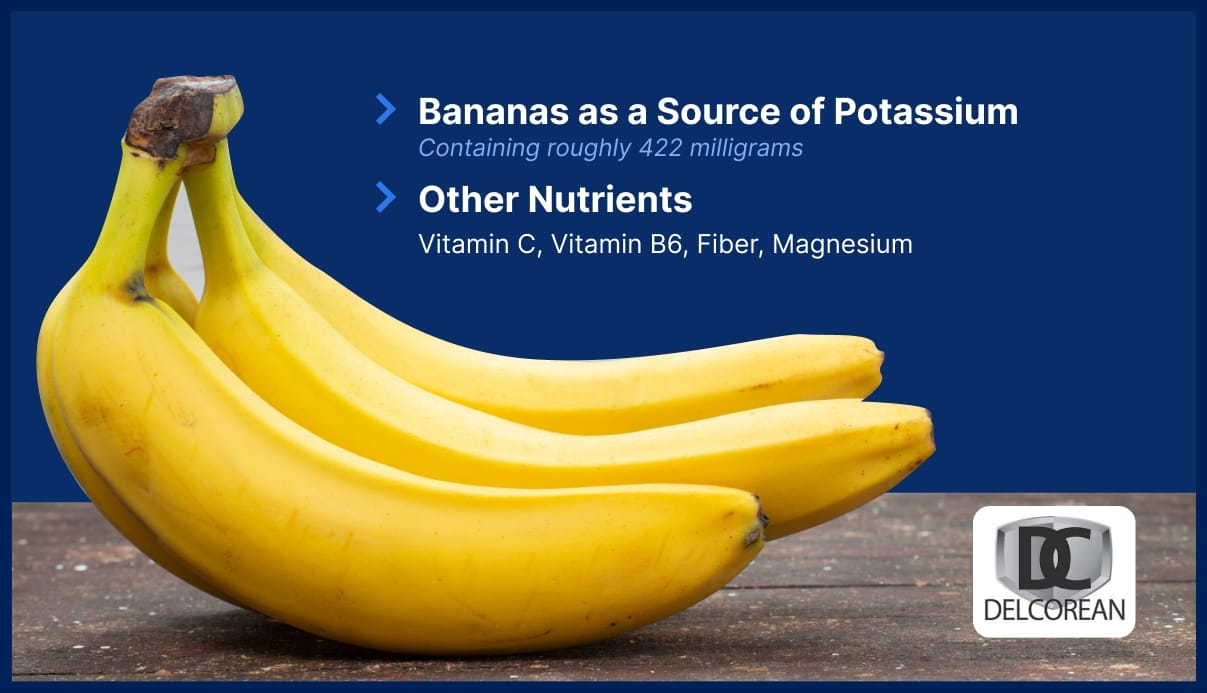
Bananas support muscle health because they contain potassium, an important electrolyte involved in muscle contraction and fluid balance. However, eating a banana during an active cramp is unlikely to provide immediate relief because digestion and nutrient absorption take time.
Before potassium from a banana can affect muscle function, the food has to be digested and absorbed into the bloodstream. That process typically takes much longer than the duration of an acute muscle cramp.
Bananas may still be helpful as part of a long-term nutrition plan, especially for active people who need consistent electrolyte intake. But when a cramp happens suddenly, stretching, movement, hydration, or topical support may provide faster relief. Some dietary habits can also contribute to cramping, which is why it helps to review foods that cause leg cramps if symptoms happen frequently.
So what tends to work faster during an active cramp?
Related Article: Can Dehydration Cause Muscle Cramps? Causes & Fixes
Why Some Remedies Work Faster Than Bananas
Some remedies, such as pickle juice or acidic solutions, may appear to work faster than bananas because they stimulate sensory receptors in the mouth and throat before nutrients are fully absorbed.
Researchers believe these strong sensory signals may temporarily interrupt the nerve activity involved in muscle cramping. This mechanism is different from the slower digestion process required for potassium absorption from food.
Acidic remedies may not be appropriate for everyone, especially people with acid reflux, sodium restrictions, or certain medical conditions. Long-term cramp prevention usually requires a broader approach that includes hydration, nutrition, recovery, and muscle conditioning.
Nutrients That May Help Prevent Muscle Cramps
Preventing frequent muscle cramps usually involves more than eating a single “miracle” food. A balanced approach to hydration, electrolyte intake, recovery, and overall nutrition tends to work better long term.
Potassium-rich foods
Bananas, avocados, sweet potatoes, and leafy greens can support normal muscle and nerve function.
Magnesium sources
Pumpkin seeds, almonds, and other magnesium-rich foods may help people who experience frequent nighttime cramps.
Hydration and sodium balance
Athletes or heavy exercisers may benefit from replacing fluids and electrolytes lost through sweat.
For additional nutrition and recovery strategies, explore our guide on natural remedies for leg cramps.
What to Do During a Muscle Cramp
Bananas may support long-term muscle health, but active cramps usually require more immediate physical relief strategies.
Immediate Relief (Right Now)
Gently stretch the affected muscle, change positions, and massage the area to help reduce tension. Some people also prefer topical muscle relief products because they can be applied directly to the area without waiting for digestion.
Portable topical options are also popular among athletes and people who experience nighttime leg cramps because they are easy to keep in a gym bag, bedside table, or travel kit.

Prevention This Week
Explore additional muscle cramp recovery and prevention resources in the Delcorean shop. For a broader look at fastest cramp relief methods backed by research, read through our full guide.
Explore additional muscle cramp recovery and prevention resources in the Delcorean shop.
Frequently Asked Questions About Bananas and Muscle Cramps
Do bananas stop cramps fast if you eat them mid-attack?
No. Bananas do not work quickly enough to stop an active muscle cramp because digestion and potassium absorption take time. They are generally more helpful for long-term muscle support than immediate relief.
Are bananas effective for preventing cramps over time?
Yes. Bananas can support long-term muscle function because they provide potassium and carbohydrates that help maintain electrolyte balance and energy levels.
Is potassium deficiency the main cause of muscle cramps?
Usually not. Muscle cramps are often caused by multiple factors, including muscle fatigue, dehydration, overuse, circulation issues, or nerve activity.
What should I eat to help prevent muscle cramps besides bananas?
Foods rich in potassium, magnesium, and calcium may help support muscle function. Common examples include avocados, leafy greens, sweet potatoes, almonds, and pumpkin seeds.
Why does pickle juice stop muscle cramps faster than sports drinks?
Some researchers believe pickle juice may help interrupt nerve signals involved in cramping through sensory stimulation in the mouth and throat, which may explain why some people report faster relief.
When are leg cramps a warning sign that I should see a doctor?
Talk to a healthcare provider if muscle cramps become frequent, severe, or are accompanied by swelling, weakness, redness, or medication changes.
Bananas can play an important role in long-term muscle health and electrolyte support, but they are not usually a fast solution for an active muscle cramp. Understanding the difference between prevention and immediate relief can help you respond more effectively the next time a cramp happens.
Explore Delcorean’s muscle cramp support options and recovery resources in the shop.