Sub-Total: $0.00



Pain is part of athletic life. From muscle cramps mid-game to chronic soreness after years of training, every athlete deals with it. The question is not whether pain will show up. The question is how you handle it.
Effective pain management separates athletes who stay in the game from those who watch from the bench. But managing pain well means more than masking symptoms. It means choosing the right tool for the right situation.
This guide breaks down five proven pain management methods used in sports medicine today. Each has strengths. Each has limits. And at the end, we’ll share a bonus product that fills a gap none of the others can.
5 Pain Management Strategies for Athletes
Let’s take a closer look at the top five strategies athletes use to reduce pain, recover faster, and stay at peak performance, starting with one of the most trusted methods.
1. Physical Therapy
Physical therapy sits at the foundation of sports medicine for good reason. A licensed therapist examines how you move, finds the source of your pain, and creates a plan to fix it. This method works best for chronic pain, overuse injuries, and recovery from serious sports injuries.
Therapists guide you through exercises that restore range of motion, rebuild strength, and correct faulty movement patterns. The goal is not just pain relief—it’s fixing the problem that caused the pain. Physical therapy also plays a major role in injury prevention, helping athletes extend their careers and protect their athletic performance over time.
The limitation? Time.
Save for a complete ligament tear or break that requires said time, a full program may run weeks or months. You need appointments, and sessions cost money. When a muscle cramp strikes during competition, physical therapy cannot help you in that moment.
2. Manual Therapy
Manual therapy covers hands-on treatments like sports massage, myofascial release, and trigger point work. A trained practitioner uses pressure and movement to release muscle tension in soft tissue. The benefits are real: improved blood flow, faster recovery, and reduced soreness.
Sports medicine professionals often include manual therapy in treatment plans for both acute pain and chronic conditions.
The drawback is access.
You need a qualified practitioner and scheduled appointments. Manual therapy works well for planned recovery, but it won’t help when muscle spasms hit during a race or game.
3. Heat and Cold Therapy
Heat and cold therapy are simple, time-tested methods for managing athletic pain. Each works differently, and knowing when to use which makes all the difference.
Cold therapy reduces inflammation and numbs acute pain. Apply it right after a fresh injury or intense training session. Ice packs, cold baths, and cryo-chambers all fall into this category. Cold slows blood flow to the area, which limits swelling and tissue damage.
Heat therapy does the opposite. It increases blood flow and loosens tight muscles. Use heat for muscle tension, stiffness, and chronic pain that lingers between training sessions.
Both methods support recovery and can reduce delayed onset muscle soreness. However, neither is portable nor practical during competition. Relief is temporary, and the effects fade once you remove the heat or cold source.
4. Over-the-Counter Pain Relief
Over-the-counter medications like ibuprofen, naproxen, and acetaminophen have a place in pain management for athletes. NSAIDs reduce inflammation and block pain signals. Acetaminophen targets pain without affecting inflammation. Sports medicine doctors sometimes recommend these options for managing acute pain or reducing inflammation after intense training.
But oral pain relief has clear limits:
- It takes 20 to 30 minutes to start working
- It masks pain without addressing the cause
- Long-term use carries risks, including stomach issues and kidney stress
- It may hide injury signals your body needs you to notice
Many athletes now look for alternatives that work faster and carry fewer risks. The trend in sports medicine is moving toward targeted, topical treatments that address pain at the source.
Related Article: The 5 Best OTC Natural Muscle Relaxers
5. Active Recovery and Movement
Rest matters. But complete rest is not always the answer. Light movement promotes blood flow, clears metabolic waste from muscles, and speeds healing. This approach, called active recovery, helps reduce muscle fatigue and delayed onset muscle soreness without adding stress to injured tissue.
Examples include light swimming, easy cycling, walking, and gentle yoga. Foam rolling also falls into this category, offering a form of self-administered manual therapy that athletes can do anywhere.
Active recovery supports injury prevention and long-term athletic performance. The catch is that it doesn’t work for everything. Acute injuries and sudden muscle spasms need different solutions.
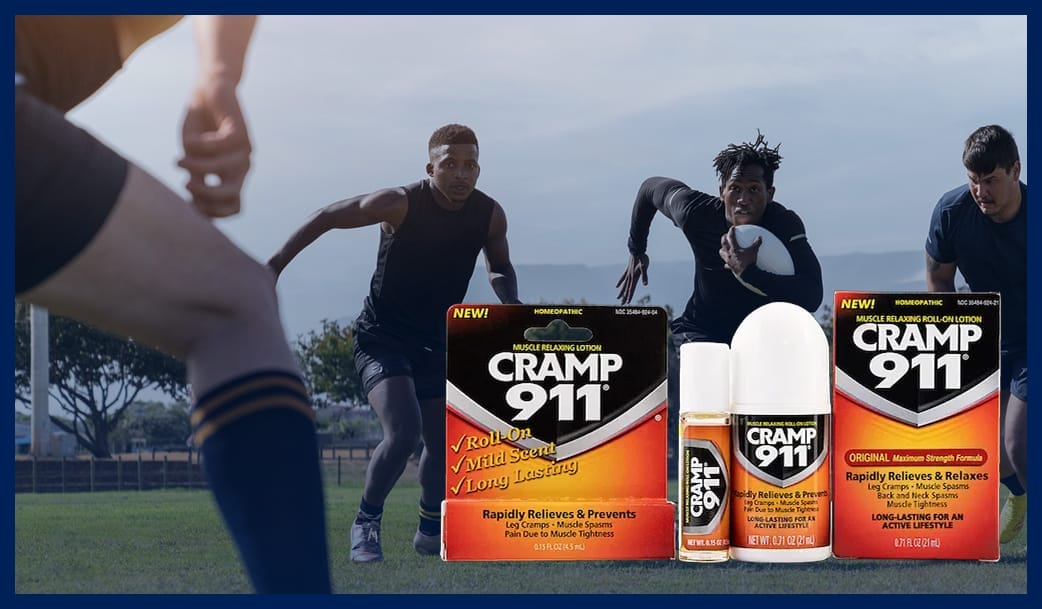
BONUS: Cramp911 – Pain Relief That Works in Seconds
Here’s the gap in every method above: none of them help when a muscle cramp or spasm hits mid-competition. Physical therapy takes weeks. Manual therapy requires a practitioner. Heat and cold need preparation. Pills take half an hour to kick in. Active recovery won’t stop a cramp that’s already locked up your calf.
Cramp911 fills that gap.
Cramp911 is a topical, roll-on muscle-relaxing lotion made with FDA-approved homeopathic ingredients—magnesium and copper. You apply it directly to the affected muscle, and relief starts in as little as 15 seconds. Users have reported up to 8 hours of muscle pain relief from a single application.
What makes it practical for athletes:
- Fast acting—works in seconds, not minutes
- Preventative—apply before activity or at bedtime to stop cramps before they start
- Portable—fits in a gym bag, pocket, or sports kit
- Safe—homeopathic formula does not interact with other medications
- Easy—roll-on applicator requires no mess or preparation
Cramp911 comes in two sizes. The on-the-go version (0.15 fl oz) runs $14.95 and provides 30 to 40 applications—perfect for keeping in your bag during training or competition. The home size (0.71 fl oz) costs $26.95 and delivers 150 to 200 applications for regular use and prevention.
The shift toward topical treatments reflects a broader change in how athletes approach pain management. Rather than relying on oral medications that affect the whole body, more people now choose targeted solutions that work where the pain actually lives.
Related Article: What Are the Best Homeopathic Sports Injury Pain Relief Creams?
When You Should Seek Medical Attention
If pain is sharp, sudden, or accompanied by swelling that doesn’t go away, it could signal a more serious issue. The same is true for pain that interferes with everyday movement, sleep, or your ability to complete basic training.
Here are signs it’s time to speak with a medical professional:
- Pain that lasts more than a few days without improvement
- Numbness, tingling, or loss of strength
- Joint instability or visible deformity
- Fever or signs of infection near a painful area
- Pain that returns every time you train
Athletes often push through discomfort, but ignoring these signs can make small problems worse or cause long-term damage.
Pain management tools like Cramp911 can treat common muscle cramps and spasms quickly. But if pain doesn’t respond to rest or worsens with movement, a trained sports medicine provider should evaluate it. Getting the right diagnosis early supports better healing and protects your future performance.
Build Your Pain Management Toolkit
Every method in this guide has value. Physical therapy fixes root causes. Manual therapy aids recovery. Heat and cold manage inflammation. Active recovery keeps your body moving between hard sessions.
But athletes need options that work in real time—not just in the training room or at home. When a muscle cramp seizes your leg mid-race or muscle tension threatens your performance, you need relief now.
That’s where Cramp911 stands apart. It goes where you go. It works in seconds. And it keeps working for hours. Whether you’re preventing cramps before a competition or stopping them the moment they strike, Cramp911 gives you control over your pain management in ways other methods cannot.
Grab the on-the-go size for your gym bag. Keep the home size ready for post-training recovery. With Cramp911 in your toolkit, you’re prepared for whatever your body throws at you.